Along the Pacific Flyway
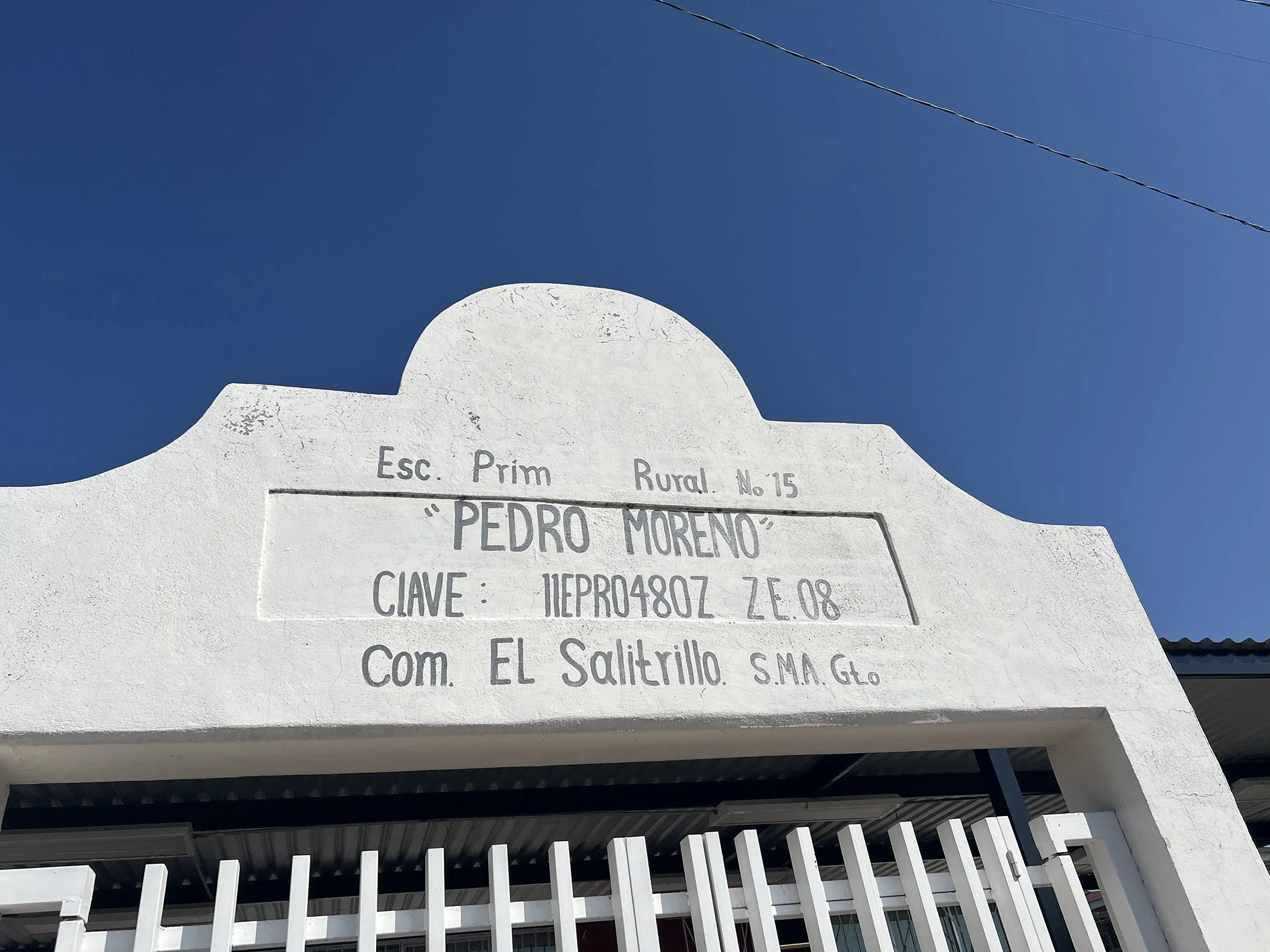
This February, ECO’s Aves Compartidas Program Manager, Carina Zehr, traveled to Guanajuato to visit our international partners and participating schools.
Over two weeks, Carina visited eight elementary schools, sharing photos, videos, and stories about Oregon—and about migratory birds, like Wilson’s warbler and the Western tanager, that connect students in both regions along the Pacific Flyway.
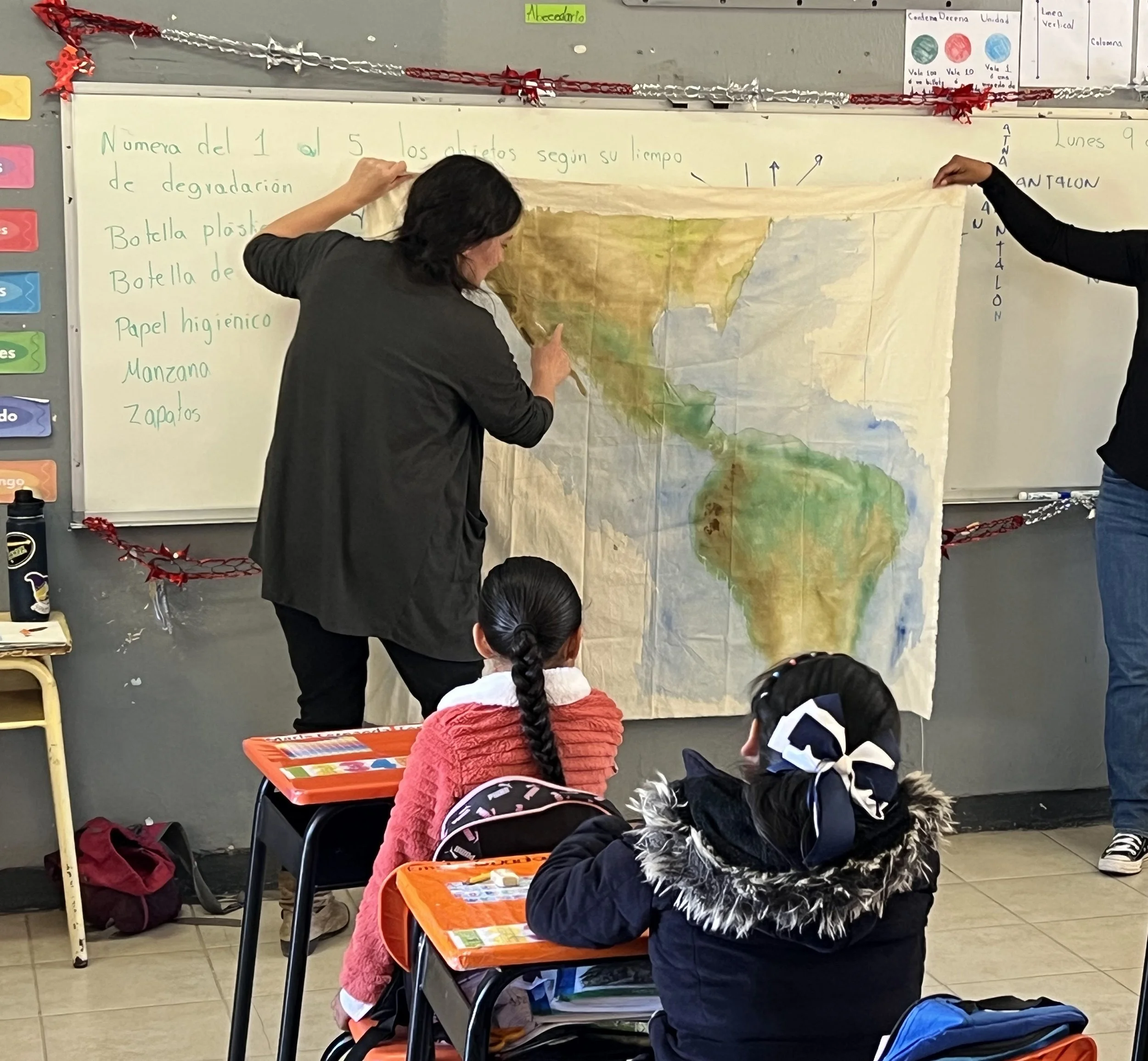
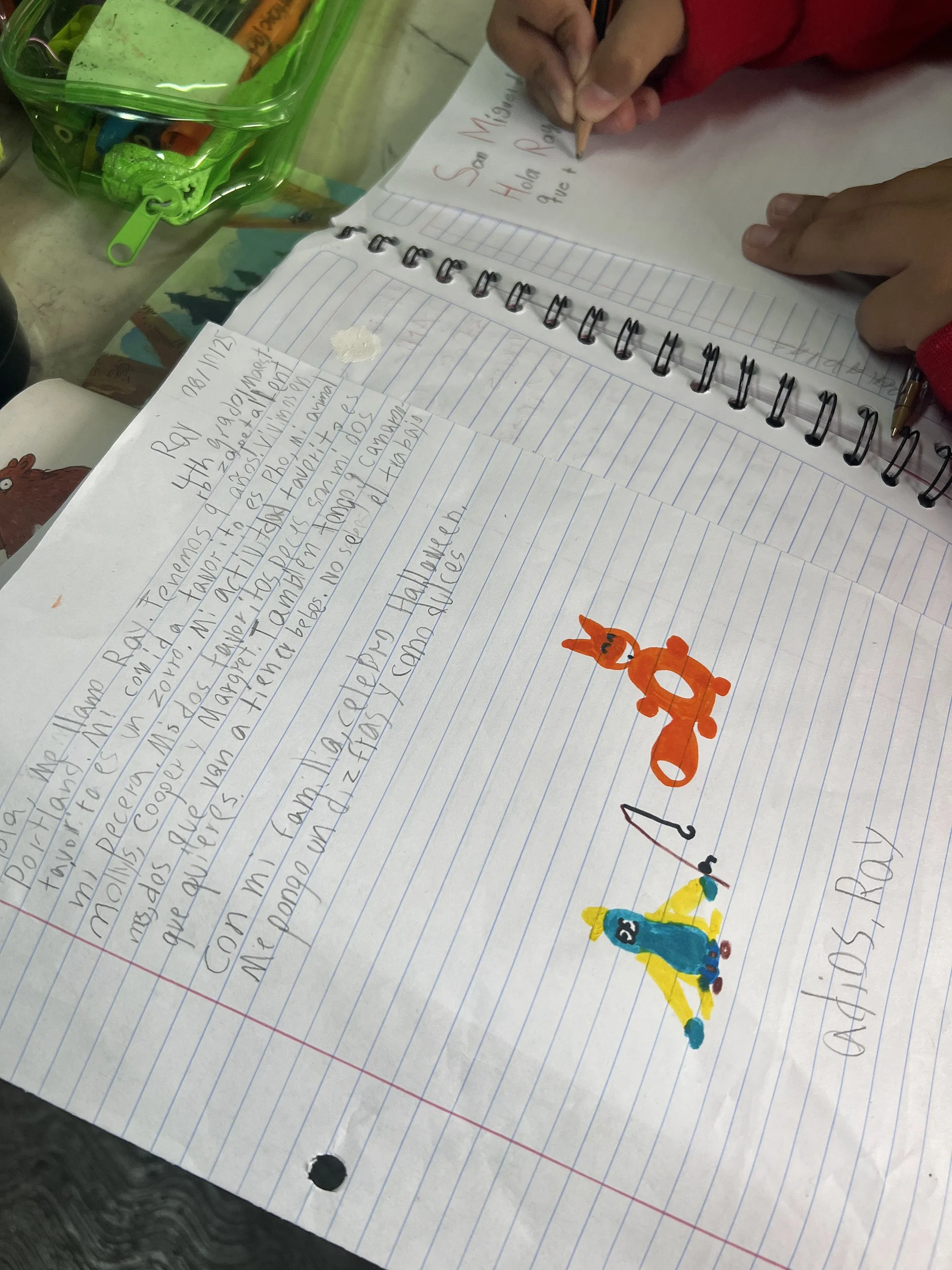
She also hand-delivered messages from students in Oregon. “Do we really get to keep these?” one student asked. Many noticed similarities with their new pen pals—and began planning their replies. One student announced, “Since their favorite animal is a monkey, I’m going to draw them a monkey.” Students responded with letters of their own, sharing about their lives and decorating their messages with drawings, stickers, and handmade envelopes.
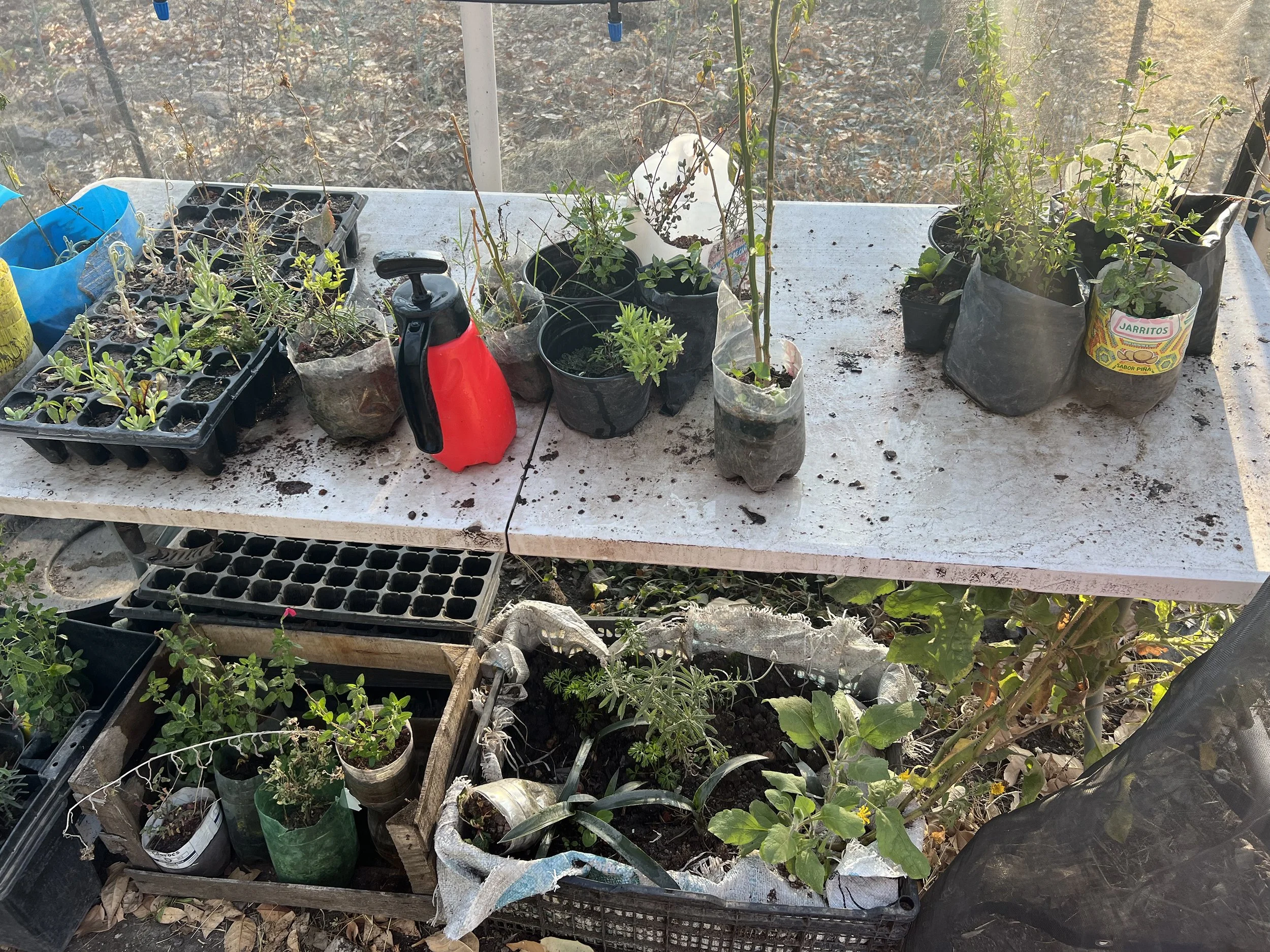
The visit also strengthened ECO’s partnerships with Salvemos al Río Laja and Audubon de México, organizations that bring environmental education to students across the region. Relationships like these are at the heart of ECO’s Aves Compartidas program, making it possible to connect students not just through shared birds and learning, but through shared experiences of place, culture, and care for nature.
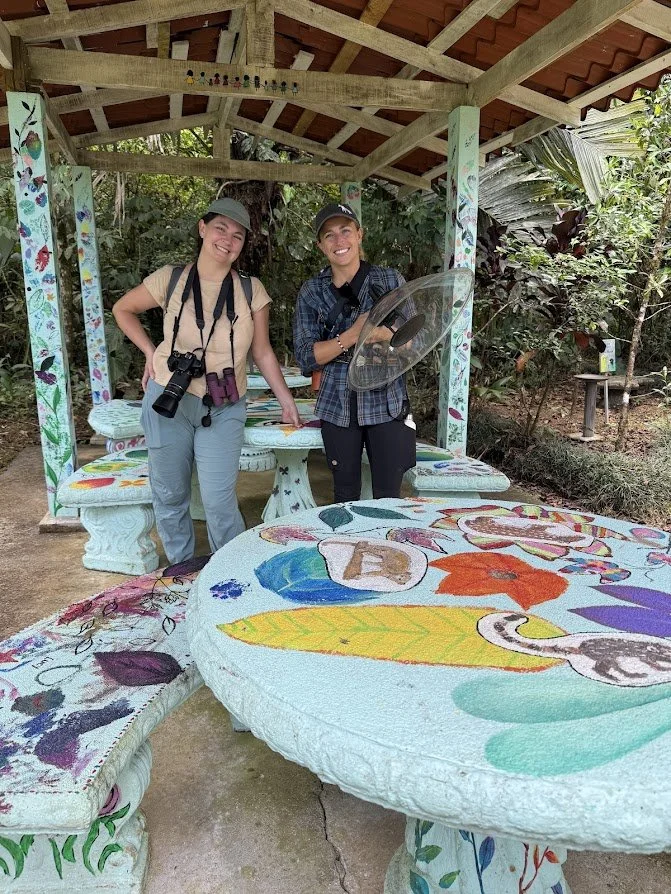
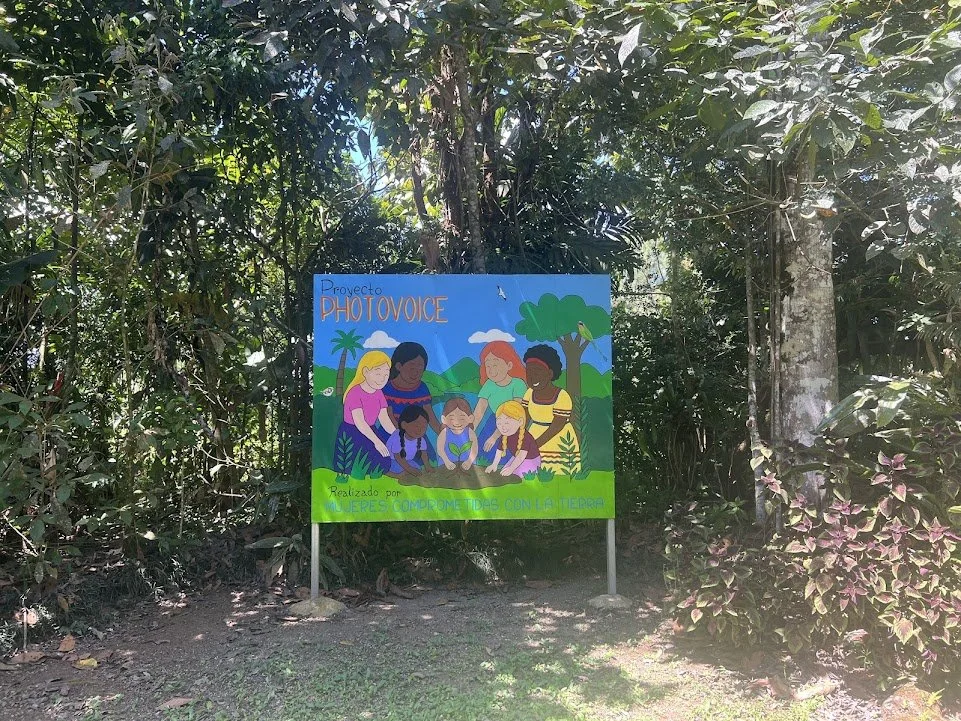
From there, the journey continued to San Vito de Coto Brus, where ECO began exploring new partnership opportunities with Finca Cántaros Environmental Association alongside Katie Lynch of the University of Oregon. This collaboration would connect students in Costa Rica with students in U of O’s Environmental Leadership Program—expanding Aves Compartidas even farther along the migratory bird flyway.
Vocabulary: Flyways provide essential stopover sites necessary for resting and refueling during long, sometimes non-stop journeys.